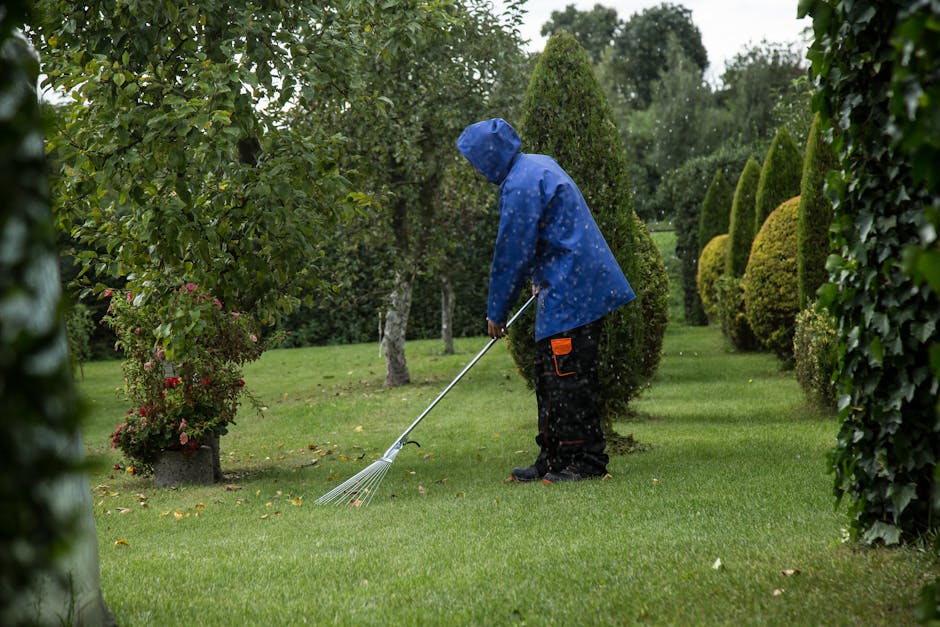
Hidden charges to avoid when hiring Chessington gardeners
If you've ever compared garden quotes and thought, "Hang on, why is this one so much cheaper?", you're not alone. Hidden charges to avoid when hiring Chessington gardeners can turn a sensible bit of home upkeep into a frustrating, expensive job. The good news? Most surprise costs are avoidable once you know where they tend to hide. In this guide, we'll walk through the common add-ons, how to spot them early, what a clear quote should include, and how to keep your garden project on budget without cutting corners.
Whether you need seasonal tidy-ups, regular garden maintenance, a one-off clearance, or a bigger outdoor project, the same principle applies: clarity first, payment later. Let's make the quote make sense before anyone lifts a spade.
Table of Contents
- Why hidden charges matter
- How hidden charges usually appear
- Key benefits of spotting them early
- Who needs this advice
- Step-by-step guidance
- Expert tips for better results
- Common mistakes to avoid
- Tools, resources and recommendations
- Law, compliance, standards and best practice
- Options and comparison table
- Case study or real-world example
- Practical checklist
- Conclusion
- Frequently Asked Questions
Why hidden charges matter
Garden work often looks straightforward from the outside. Trim a hedge, cut the grass, remove the waste, tidy the borders. Simple enough. But once a gardener arrives and sees steep access, heavy green waste, awkward corners, diseased shrubs, or a driveway full of old soil bags, the job can change shape fast.
That's where hidden charges creep in. Some are legitimate extra costs. Others are simply vague pricing that was never explained properly. Either way, they matter because they affect trust, budgeting, and the final standard of work. A quote that looks competitive at first can end up more expensive than a clearer, slightly higher one.
In Chessington, as in most London suburbs, properties can vary quite a bit. Some gardens are compact and neat; others have long side access, mature planting, decking, timber structures, or a lot of waste tucked away behind sheds. A gardener who doesn't account for those details up front may add fees later. That's not always unfair, but it should never come as a surprise. To be fair, nobody enjoys that phone call.
Expert summary: The safest quote is not always the cheapest one. It is the quote that clearly states what is included, what counts as extra, and how any changes will be approved before work continues.
If you want a clearer starting point, it helps to review a provider's public information on pricing and quotes before you agree to anything. Transparency is usually a good sign. Usually.
How hidden charges usually appear
Hidden charges are rarely labelled "hidden". They arrive through wording that sounds harmless: "subject to inspection", "from price only", "additional materials may apply", or "waste removed separately". On paper, each phrase can be reasonable. In practice, they can create a very loose agreement if nobody pins down the details.
Here's how they usually show up in garden work:
- Access fees: Extra charges if equipment must be carried through the house, up steps, or around tight side passages.
- Waste removal: A separate cost for green waste, branches, soil, old timber, or mixed rubbish.
- Minimum visit charges: A call-out fee that applies even if the job takes less time than expected.
- Soil or root disposal: Heavier waste often costs more to remove than light clippings.
- Special equipment: Stump grinders, hedge trimmers, ladders, chipper machines, or extra PPE may be charged separately.
- Weather delays: Some teams charge if a second visit is needed because work was interrupted by rain or unsafe conditions.
- Overtime or extended labour: A quote based on two hours may jump if the job runs long.
- Materials: Compost, topsoil, sleepers, gravel, membrane, or fixings may be priced separately from labour.
That last point catches people out a lot. A gardener may quote for labour only, while the homeowner assumes materials are included. Same words, different meanings. Not ideal.
If you are comparing broader services, it is useful to see how a company presents its services overview. A well-structured service list often tells you whether the business is used to explaining scope clearly, which matters more than people think.
Key benefits and practical advantages
Spotting hidden charges early is not just about saving money. It also makes the whole process calmer. And honestly, a calm garden project is underrated.
The practical advantages include:
- Better budgeting: You know the likely total before work begins.
- Fewer disputes: Clear scope means fewer awkward conversations at the end of the day.
- Faster decisions: You can compare quotes fairly, like for like.
- More control: You decide whether a "nice to have" extra is worth the spend.
- Better results: When a gardener knows the brief properly, they can plan the job properly.
There's also a softer benefit: confidence. If a quote is transparent, you're more likely to trust the people doing the work. That trust matters, especially when you're asking someone to handle tools, waste, or access around your home.
Homeowners often get the best outcome when they combine price checks with service checks. For example, if hedge work is involved, review a provider's hedge trimming page or a relevant service page to see whether they describe boundaries, waste, and access issues clearly. It sounds small, but these clues tell you a lot.
Who this is for and when it makes sense
This advice is for anyone hiring local gardening help in Chessington who wants a fair price and no nasty surprises. That includes:
- busy homeowners who need recurring help
- landlords preparing a property for new tenants
- older residents who prefer a reliable, tidy service
- families facing a one-off garden reset after months of growth
- people planning larger outdoor changes, such as reworking beds, paths, or timber features
It makes especially good sense when the job is not completely straightforward. If there is a lot of waste, heavy pruning, tree work, old decking, steep access, or a garden clearance after a long gap, then the quote needs more detail. A simple lawn cut is one thing. A garden that has gone a bit wild after winter is another. Completely different day, really.
This is also relevant if you are considering related outdoor services such as lawn mowing, garden clearance, landscaping, or even tree lopping and removal. The more variable the job, the more important it is to lock down the details early.
Step-by-step guidance
If you want to avoid surprise charges, use a methodical approach. Nothing fancy. Just careful.
- Describe the job in plain English. Say what needs doing, what the garden looks like now, and what result you want. Mention waste, access, slopes, locked gates, pets, or parking issues.
- Ask what is included. Labour, tools, waste removal, fuel, and materials should all be clearly explained.
- Ask what is not included. This is where the useful information often sits. If the answer is vague, that's a sign to dig deeper.
- Request a written quote. A written quote gives you something to compare and refer back to later. Verbal promises are easy to forget. Funny that.
- Check for "subject to inspection" wording. This can be fine, but it should still come with a clear explanation of what might change and why.
- Confirm waste handling. Ask whether the gardener will take green waste away, chip it, compost it, or leave it for you to dispose of.
- Clarify extra labour triggers. Ask what happens if the team discovers more growth, tougher roots, hidden rubbish, or damaged timber during the visit.
- Agree on approval before extras. A good provider will ask before adding anything outside the original scope.
- Compare more than price. Look at clarity, safety, insurance, and how well the business explains its process.
A useful shortcut: if you cannot explain the quote to someone else in one minute, it probably needs more detail. That's a decent test, honestly.
Expert tips for better results
In our experience, the best way to avoid hidden charges is not to hunt for the cheapest gardener. It is to make the job unambiguous. A few practical habits help a lot.
- Send photos from several angles. Take one wide shot, one close-up, and one of any awkward access point.
- Be honest about the condition. If the grass is knee-high or the hedge has not been cut in a year, say so.
- Mention waste volume. A single bag of clippings is not the same as a trailer full of branches.
- Ask for a day-rate or task-rate explanation. Some work suits fixed pricing; some suits hourly billing. Know which model you are getting.
- Check whether VAT is included. If a business is VAT registered, prices should be presented clearly enough that you know the full amount.
- Look at the quality of the questions they ask. A careful gardener usually asks better questions than a rushed one. That's a good sign.
There's also value in checking pages that explain professional standards. For example, a provider's insurance and safety information can tell you whether they take risk management seriously. When someone is handling ladders, hedge cutters, or heavy waste, that matters quite a bit.
One more thing. If a quote sounds too polished but oddly empty, ask for an itemised version. A proper breakdown often reveals whether the price is built on facts or guesswork.
Common mistakes to avoid
People usually get caught out in the same few ways. Once you know them, they are easier to sidestep.
- Choosing the lowest quote without comparing scope. A cheaper quote that excludes waste removal is not really cheaper.
- Assuming "all-inclusive" means everything. It often does not. Ask what that phrase actually covers.
- Not checking waste fees. This is one of the most common add-ons in garden work.
- Failing to mention access restrictions. Narrow side gates, long carries, or internal access can change the job cost.
- Ignoring minimum charges. A small job can become pricey if the gardener has a set call-out threshold.
- Leaving decisions until the day of the job. That is when people feel pressured, and prices become harder to question.
- Forgetting to ask about materials. Topsoil, bark, fixings, and replacement plants are rarely "just included".
A lot of the stress comes from assumption, not the work itself. Ask the awkward question early. It saves everyone time later.
Tools, resources and recommendations
You do not need specialist tools to protect yourself from hidden charges. A notebook, your phone camera, and a bit of patience will do the job. Still, a few practical resources from the provider can help you make a better decision.
- Pricing and quotes: Useful for understanding how pricing is structured and what details may be requested.
- Payment and security: Helpful if you want to understand how payments are handled and what safeguards are in place.
- Terms and conditions: A sensible place to check cancellation terms, scope limits, and any conditions around additional work.
- About us: Useful for seeing how a company presents itself, what it values, and whether it sounds customer-focused.
From your side, the best "tool" is a short pre-booking checklist. Ask the same questions every time and keep the answers in one place. Even a phone note is better than memory, especially when the weather is warm and everyone's in a hurry.
If you're planning a broader refresh, it can also help to review service-specific pages such as landscape gardening or decking services. Bigger projects tend to involve more moving parts, which means more opportunities for unclear pricing.
Law, compliance, standards and best practice
Gardeners working in the UK should be mindful of safe working practices, sensible waste handling, and clear consumer communication. You do not need to become an expert in regulations yourself, but you should expect honest quoting, appropriate insurance, and a professional approach to safety.
For homeowners, the most practical best-practice points are:
- Get the scope in writing. This reduces misunderstandings and helps if anything changes.
- Ask about insurance. If tools, ladders, vehicles, or waste removal are involved, insurance is worth checking.
- Confirm safe access. A responsible gardener will flag hazards rather than work around them blindly.
- Keep payment terms clear. Know when payment is due, whether a deposit is required, and what happens if the job changes.
- Use a complaints route if needed. A professional business should have a way to deal with issues properly, not just shrug and move on.
Where a provider publishes its own health and safety policy or a complaints procedure, that is usually a reassuring sign. It does not guarantee perfection, of course, but it does show that the business has thought about how to handle problems in a structured way.
Waste is another area to watch. If your garden job creates a lot of green waste, ask how it will be removed or processed. Some businesses are careful about recycling and sustainability, which can be a plus if you care about responsible disposal. If you want to understand that approach better, review their recycling and sustainability information.
Options, methods, or comparison table
Different pricing methods suit different jobs. The key is to know which one you are being offered and what can push the price up.
| Pricing method | Best for | Pros | Possible hidden charge risk |
|---|---|---|---|
| Fixed quote | Clear, defined jobs | Easier to budget and compare | Extras may still apply if the scope was vague |
| Hourly rate | Uncertain or variable jobs | Flexible if conditions change | Total cost can rise if the job takes longer than expected |
| Task-based pricing | Specific jobs like hedge cutting or mowing | Simple to understand when described well | May exclude waste removal or materials |
| Call-out plus labour | Small or one-off jobs | Useful for quick visits | Minimum fee can make a small job feel expensive |
If you're choosing between quotes, fixed pricing is usually the easiest to manage, provided the scope is accurate. Hourly rates can be fair too, but only if the gardener explains how time is tracked and when the meter stops, so to speak.
For anything involving major clearance or structural work, a more detailed discussion is wise. That's especially true when the job touches planning, access, or safety considerations. In those cases, the value of an experienced, communicative provider tends to outweigh a tiny saving.
Case study or real-world example
A homeowner in Chessington wanted a quick tidy-up before a family gathering. The garden looked manageable from the patio: one medium hedge, a lawn that needed cutting, and some border weeds. The first quote seemed attractive because it was low and simple.
Once the gardener walked the site, though, a few extra factors appeared. There was a thick hedge line at the back, a pile of old branches behind the shed, and no easy way to remove waste without carrying it through a narrow side passage. The original quote had not mentioned waste removal or access difficulty. The price rose, and the homeowner felt a bit blindsided.
What changed the outcome the second time around was straightforward communication. The homeowner sent photos, explained the access route, and asked for a written quote showing labour, waste, and any likely extras. The next quote was higher on paper, but it was honest. No drama. No awkward surprise at the end of the visit.
That's the pattern you want. Not the lowest number, the clearest one. The first number can be flattering; the second is the one you usually end up paying.
Practical checklist
Use this before you book a gardener in Chessington:
- Have I described the job clearly, including access and waste?
- Have I asked what is included in the price?
- Have I asked what is excluded?
- Do I know whether waste removal costs extra?
- Have I checked if materials are included or billed separately?
- Do I understand whether the price is fixed, hourly, or task-based?
- Have I asked what happens if the gardener finds extra work on the day?
- Have I requested the quote in writing?
- Have I checked payment terms and cancellation conditions?
- Do I feel comfortable that the provider communicates clearly?
If you can tick most of those boxes, you are in a much better position. And if a provider gets a bit defensive when you ask basic questions, that tells you something too.
Get a free quote today and see how much you can save.
Conclusion
Hidden charges to avoid when hiring Chessington gardeners usually come down to one thing: unclear scope. The more precise you are about the work, the more useful the quote becomes. Waste, access, materials, labour time, and possible extras should all be discussed before anyone starts.
That does not mean every additional cost is suspicious. Sometimes a garden reveals more once work begins. Roots are hidden, waste is heavier than expected, or a hedge is thicker than it looked from the driveway. Fair enough. What matters is that these changes are explained and agreed before the bill grows.
If you take anything from this guide, let it be this: ask early, get it in writing, and compare quotes on the same basis. It saves money, yes, but it also saves a lot of hassle. And honestly, a tidy garden should bring peace, not admin.
Frequently Asked Questions
What are the most common hidden charges when hiring a gardener?
The most common ones are waste removal, extra labour, access difficulties, minimum call-out fees, and materials that were assumed to be included but were not. These are usually avoidable if the quote is clear.
Should waste removal be included in a gardening quote?
Not always, but it should be stated clearly either way. If waste removal is extra, you should know how it is charged and what type of waste counts. Green clippings, branches, soil, and mixed rubbish can all be priced differently.
Is a fixed quote better than an hourly rate?
For a well-defined garden job, a fixed quote is often easier to manage. Hourly rates can still be fair, but they work best when the gardener explains how the time is measured and what could change the total.
How can I tell if a quote is too vague?
If it says things like "from price", "subject to inspection", or "extras may apply" without explaining what that means, it is too vague. A good quote should tell you what is included, what is excluded, and what triggers extra costs.
Do gardeners charge extra for difficult access?
Some do, because awkward access can increase labour time and make waste removal harder. That is reasonable if it is explained in advance. Narrow side passages, steps, long carries, or restricted parking are common examples.
What should I ask before agreeing to a garden clearance?
Ask what waste is included, whether heavy material costs more, whether labour is fixed or hourly, and what happens if the site contains more rubbish than expected. A clearance job can change quickly once bags and branches start moving.
Can a gardener add charges after the work starts?
They can, but they should tell you first and get agreement where possible. If the job changes materially, it is fair for the price to change too. The key issue is communication, not the extra itself.
How do I avoid paying twice for the same job?
Make sure the original quote is detailed enough that labour, waste, and materials are all accounted for. If the gardener later says something was "not included", the written quote should help resolve it.
Are materials usually included in garden quotes?
Sometimes yes, sometimes no. Compost, topsoil, bark, gravel, plants, fixings, and timber often need separate pricing. Never assume materials are included unless the quote says so clearly.
What should I do if a gardener adds a charge I did not expect?
Ask for a calm explanation and compare it with the written quote. If the charge was not discussed and you did not agree to it, refer back to the original scope. A professional business should be able to explain the difference without fuss.
Is it normal for quotes to say "subject to site visit"?
Yes, especially for larger or less predictable jobs. That wording is fine as long as the final price change is explained after inspection and before work begins. It should not be used as a blank cheque.
Where can I find clearer pricing information before booking?
Look for a provider's pricing page, terms, and service descriptions. Pages such as pricing and quotes, terms and conditions, and the relevant service page usually give the best clues about how transparent the business is.
What is the simplest way to compare gardeners fairly?
Use the same brief for every quote request. Include photos, garden size, access notes, and the exact outcome you want. Then compare not just the price, but also what each quote includes, especially waste removal and materials.