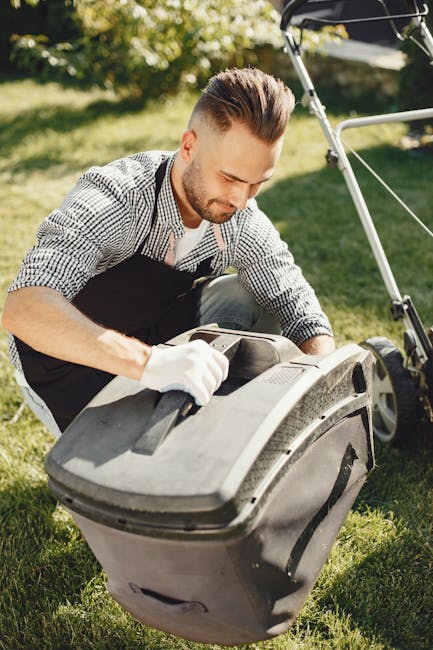
Same day gardeners Chessington South urgent lawn rescue: fast help when your lawn needs saving today
If your lawn has suddenly gone from presentable to patchy, flattened, flooded, or just plain alarming, you are not alone. A lot can happen to grass in a single weekend, let alone after a burst of bad weather, heavy foot traffic, a garden party, pet damage, or a mower mishap. That is exactly where Same day gardeners Chessington South urgent lawn rescue becomes useful: quick, practical intervention designed to stop a bad situation getting worse and to put the lawn back on a sensible recovery path.
This guide explains what urgent lawn rescue actually involves, how the same-day process works, what results you can realistically expect, and how to tell whether you need emergency lawn care now or a broader repair plan. You will also find a checklist, a comparison table, and a few hard-won tips that save time and frustration. Truth be told, in lawn care the fastest fix is not always the best one - but the right fix, done promptly, can make a huge difference.
Why Same day gardeners Chessington South urgent lawn rescue Matters
A lawn usually looks like it is just turf, but when it fails, the knock-on effects spread quickly. Bare patches invite weeds. Compacted areas hold water. Scuffed soil turns muddy and slippery. If the lawn sits next to decking, a path, or a family play area, the mess becomes more than cosmetic. It becomes inconvenient, and sometimes a bit stressful.
Same-day intervention matters because timing changes the outcome. Fresh damage is easier to correct than damage left for a week or two. A flattened area can sometimes be revived; a compacted, waterlogged area may need aeration, regrading, or targeted repair. The earlier a gardener can assess the lawn, the better the chances of rescuing the existing grass rather than replacing larger sections.
In a place like Chessington South, where gardens often need to cope with family use, pets, variable weather, and the practical realities of small outdoor spaces, speed counts. If you have visitors due, a tenancy inspection coming up, or simply want your garden usable again before the weekend, a rapid response can be the difference between a temporary problem and a longer restoration job.
Expert summary: urgent lawn rescue is not about making a lawn perfect in one visit. It is about stabilising the damage, improving appearance fast, and setting the lawn up to recover properly.
There is also a confidence factor. Once the lawn looks distressed, everything else in the garden can feel off. A quick rescue puts order back into the space. That sounds a little dramatic, maybe, but if you have ever looked out the back door at a soggy green mess at 8 a.m., you will know the feeling.
How Same day gardeners Chessington South urgent lawn rescue Works
The process is usually straightforward, but the best outcomes come from a calm, methodical approach rather than a rushed mow-and-go. Most urgent lawn rescue visits begin with a quick assessment. A gardener looks at the surface condition, drainage, mowing height, soil compaction, weed pressure, and the type of damage involved. That diagnosis matters more than people think. A lawn that has been scalped by a mower needs a different fix from one that has been waterlogged or churned up by a dog or garden furniture.
Next comes stabilisation. This may include clearing surface debris, raising the mowing height carefully, easing compacted soil, cutting back overgrowth around the edges, or removing dead material that is smothering the grass. If the grass is still viable, the gardener may focus on improving airflow and light. If there are bare patches, those areas may be prepared for reseeding or patch repair.
In many cases, same-day lawn rescue is about triage. You deal with the urgent issue first, then decide whether a second visit is needed for fuller recovery work. That can be a practical advantage. No one wants to overdo it and cause more stress to a lawn that is already struggling.
If the lawn problem sits alongside broader garden issues, it may make sense to combine the rescue with other work such as regular garden maintenance or a tidy-up from professional lawn mowing. In the background, a wider reset sometimes helps the lawn more than a single isolated cut. A little less chaos, a little more breathing room.
Some urgent visits also reveal hidden causes. For example, a lawn may look weak because a hedge is blocking too much light, or because a nearby border is shedding debris onto the grass. In those cases, supporting work such as hedge trimming or selective clearing can improve the final result.
Key Benefits and Practical Advantages
The biggest benefit is obvious: you get help quickly. But there is more to it than speed alone.
- Damage is contained early. Quick action can stop bare patches from spreading or turning to mud.
- The garden becomes usable again sooner. That matters for children, pets, visitors, and day-to-day peace of mind.
- Better chance of saving the grass. Healthy grass recovers well when the response is prompt and sensible.
- Less guesswork. A good gardener can tell you whether the lawn needs a rescue, a treatment plan, or a more complete repair.
- Cleaner visual impact. Even partial improvement can make the whole garden feel neater and better cared for.
- Reduced risk of making things worse. Overwatering, overcutting, or random patching can create new problems. A targeted approach avoids that.
There is also a practical financial angle. A prompt rescue can sometimes prevent a larger renovation later on. That is not a promise, of course. Every lawn is different. But if the turf is still alive beneath the surface damage, early intervention is usually the wiser move.
For some properties, lawn rescue is also part of a wider curb-appeal fix. If the lawn has been dragged down by surrounding growth or messy borders, the final result may improve further when combined with garden clearance or even a more considered landscape gardening plan. Small changes, done well, tend to stack up.
Who This Is For and When It Makes Sense
Urgent lawn rescue is not only for severe damage. It suits a surprising range of situations.
- Homeowners who need the garden presentable before guests, a party, or a property viewing.
- Landlords and letting agents trying to restore a lawn quickly between tenancies or before an inspection.
- Families dealing with muddy run zones, toy damage, or heavy use after wet weather.
- Pet owners whose lawn has been worn down in one or two stubborn areas.
- Older gardens that have suddenly declined after a long dry spell, a heavy storm, or a rough mowing session.
- Busy people who simply cannot wait for a long booking lead time.
It makes sense when the lawn is hurting now and you need a practical answer now. It may also make sense if you are not sure whether the issue is cosmetic or structural. For example, if the grass is thin but still living, same-day treatment can improve it quickly. If the lawn is sinking, spongy, or constantly flooding, the rescue conversation changes and the gardener may suggest a more involved fix.
Let's face it, not every patch of tired grass needs a major project. Some just need a competent pair of hands and a sensible plan. That's the sweet spot.
Step-by-Step Guidance
If you are arranging urgent lawn rescue, it helps to know what a good process looks like. Here is a simple step-by-step outline.
- Describe the problem clearly. Say what happened, when it happened, and what the lawn looks like now. If possible, mention whether the issue is dry, wet, compacted, patchy, or torn up.
- Share access details. A same-day visit moves faster when the gardener knows about parking, side access, gates, pets, or anything awkward at the property.
- Ask for the likely approach. A good provider will explain whether the job is likely to involve mowing, scarifying, patch repair, debris removal, or just stabilisation.
- Prepare the area. Move toys, furniture, hoses, and loose items if you can. It saves time and helps the team work safely.
- Agree priorities. Decide whether your main goal is appearance, safety, recovery, or a mix of all three.
- Carry out the urgent work. This is where the gardener tackles the immediate issues and improves the lawn's condition.
- Plan the follow-up. Some lawns need a second step such as overseeding, watering guidance, or longer-term maintenance.
A practical example: if a lawn has become messy after a wet weekend and a few too many footsteps, the same-day job may start with careful cutting, debris removal, and relief for compacted spots. Then the gardener may advise leaving the area alone for a few days so it can settle. Simple, but effective.
If the wider garden is also overrun, a paired service such as services overview or targeted garden maintenance can help you decide what to tackle now and what to schedule next. That little bit of planning makes the whole thing less frantic.
Expert Tips for Better Results
Here is the part that often gets skipped, and then regretted later.
- Do not scalp the lawn to make it look instantly tidy. Short grass looks neat for a day, then often weakens badly.
- Avoid working wet soil too hard. If the lawn is saturated, heavy foot traffic can increase compaction.
- Cut on the right height for the grass type and season. Lower is not always better. In fact, it usually is not.
- Spot the real cause. Shady areas, poor drainage, hidden debris, and constant pet routes all affect recovery.
- Water carefully, not excessively. Too much water can be as unhelpful as too little, especially after a rescue visit.
- Leave the lawn alone after treatment. It sounds obvious, yet people keep walking on freshly repaired areas. The grass does not love that. Shocking, I know.
One of the most useful habits is to think in terms of recovery, not perfection. A rescued lawn may still look a bit uneven for a while. That is normal. The goal is to help it grow back strong enough to look good on its own, rather than masking the issue for 48 hours.
Another helpful tip: if the grass edge is being choked by overgrowth, include a tidy perimeter cut or trim. The lawn often looks better simply because the borders stop crowding it. Small win, but a real one.
Common Mistakes to Avoid
People usually make lawn damage worse for understandable reasons. They want quick visual improvement. Fair enough. The problem is that some quick fixes create more stress than they remove.
- Cutting too short after stress. A weak lawn needs recovery time, not a hard shave.
- Overseeding without preparation. Throwing seed onto hard, dry, or debris-filled ground rarely gives a reliable result.
- Ignoring drainage problems. If water pools in one area, bare patches will keep coming back.
- Using random fertiliser under pressure. Feeding a damaged lawn at the wrong time can frustrate recovery rather than help it.
- Delaying action. A stressed lawn can often recover. A neglected one becomes a renovation job.
- Assuming all brown patches mean the grass is dead. Sometimes the crowns are still viable. Sometimes not. It needs proper assessment.
There is also the classic mistake of trying to fix everything in one afternoon because the garden looks embarrassing. Happens all the time. The result is often a patchy, overworked lawn and a sore back. Sometimes the wise move is to do less, but do it properly.
Tools, Resources and Recommendations
For same-day urgent lawn rescue, the right tools matter. Not because the equipment is glamorous, but because the wrong tool used in haste causes damage.
Useful tools and materials commonly include:
- quality mowing equipment with adjustable height
- leaf and debris collection tools
- lawn rake or scarifying equipment for surface thatch
- aeration tools for compacted areas
- topsoil or suitable repair material for worn patches
- seed for patch repair, where appropriate
- watering equipment for gentle establishment support
For homeowners, the best "resource" is often a realistic plan. Not a shopping basket full of random products. Ask what is being fixed first, what can wait, and how you should care for the lawn over the next week or two. That simple sequence saves money and frustration.
If you know the lawn problem is part of a broader garden issue, it may be worth looking at related services such as lawn mowing, hedge trimming, or even tree lopping and removal if shade or falling debris is affecting growth. Sometimes the lawn is not the only thing asking for help.
Law, Compliance, Standards, or Best Practice
For lawn rescue work, the main compliance concerns are usually practical rather than legal drama. Good providers are expected to work safely, use suitable equipment, and avoid creating hazards for residents, visitors, or neighbours. In the UK, that generally means sensible risk assessment, careful handling of machinery, and respect for property boundaries and waste handling.
If a gardener is using powered tools, there should be a clear focus on safety. That can include checking access, managing trip hazards, controlling loose debris, and making sure the work area is left tidy. For clients, this means asking simple questions is perfectly reasonable: how will the lawn be protected, how will waste be handled, and what happens if the ground is too soft to work on safely?
It is also sensible to understand any terms, pricing, and payment expectations before work begins. A transparent provider will usually have clear policies on scope, payment, and what happens if the job changes once the lawn has been inspected. If you want to know more about working practices and site safety, it can help to review the company's own health and safety policy, insurance and safety information, and payment and security guidance.
For waste from cuttings, weeds, or general garden debris, responsible disposal and recycling are part of good practice too. That is one reason sustainable working methods matter, especially when a rescue visit exposes a lot of material that needs clearing rather than simply hidden out of sight.
Options, Methods, or Comparison Table
Not every lawn problem needs the same response. Here is a straightforward comparison to help you think it through.
| Option | Best for | What it does well | Limitations |
|---|---|---|---|
| Quick same-day rescue | Fresh damage, urgent presentation, safety issues | Stabilises the lawn, improves appearance fast, stops deterioration | May not fully restore a badly damaged lawn in one visit |
| Standard maintenance visit | Routine care, moderate overgrowth, basic tidying | Keeps the lawn manageable and healthy over time | Less suitable when the lawn is in obvious trouble today |
| Full lawn recovery plan | Severe thinning, compaction, drainage issues, long-term neglect | Addresses deeper causes and longer-term recovery | Takes more time, more visits, and more patience |
| Combined garden overhaul | Lawns affected by borders, hedges, debris, or layout problems | Improves the whole outdoor space, not just the grass | Can be more involved than a simple rescue job |
In many real cases, the best answer sits between the first and second options. A same-day visit solves the immediate problem, then a follow-up maintenance plan keeps the lawn on track. That is often the cleanest route, and the least stressful one too.
Case Study or Real-World Example
Imagine a typical Chessington South garden after a weekend of rain and heavy use. The lawn is flattened along the path where everyone kept walking, there is a muddy section near the patio, and a corner has become patchy because a small tree has been dropping debris all season. Nothing catastrophic, just messy enough that the whole garden feels neglected.
A same-day gardener arrives, checks the surface, and sees that the grass is still alive but strained. Instead of cutting too aggressively, they raise the mowing height, clear the debris, reduce the worst compaction, and tidy the surrounding edges. The muddy area is left in a condition that can recover, not shredded by overwork. The result is not a magazine lawn. It is better than that. It is a realistic, recovered garden you can actually use.
A week later, the owner follows the advice to keep traffic light, water only if needed, and avoid another cut until growth returns. The lawn settles. It still needs care, sure, but the rescue worked because it was done quickly and with restraint. Sometimes that is the whole game.
Practical Checklist
Use this checklist before and during an urgent lawn rescue visit.
- Describe the problem clearly and honestly.
- Note when the damage started.
- Check whether the area is wet, dry, compacted, or scuffed.
- Move furniture, toys, hoses, and loose items.
- Keep pets and children away from the work area.
- Ask what the first priority is: appearance, safety, or recovery.
- Confirm whether the lawn needs follow-up treatment.
- Find out when it can be walked on again.
- Ask how to water, mow, and monitor the lawn after the visit.
- Keep an eye out for recurring causes such as shade, drainage, or overuse.
Quick reminder: the best urgent lawn rescue is the one that solves today's problem without creating next week's problem.
Conclusion
Same-day lawn rescue is about more than speed. It is about judgement, timing, and doing the right amount of work for the state of the lawn. If the grass is still salvageable, quick action can make a visible difference and protect the lawn's longer-term health. If the damage is deeper, an urgent visit still gives you clarity, which is often half the battle.
For Chessington South homeowners and landlords, that can mean less stress, a better-looking garden, and a clearer plan for recovery. Whether the issue is patchiness, compaction, flooding, debris, or a badly timed cut, the main thing is not to let the problem sit. Lawns are resilient, but they do prefer a bit of help now and then.
If you are weighing up whether to act today or wait, the practical answer is usually simple: if the lawn is visibly deteriorating, get it assessed sooner rather than later. A calm, informed response almost always beats a panicked weekend fix. And honestly, that little bit of breathing room helps more than people expect.
Get a free quote today and see how much you can save.
Frequently Asked Questions
What does same day gardeners Chessington South urgent lawn rescue usually include?
It usually includes a fast assessment, careful cutting or tidying, removal of debris, treatment of compacted or damaged areas, and advice on recovery. The exact work depends on what the lawn actually needs. That part matters more than a catchy label.
Can a lawn really be rescued in one day?
Sometimes yes, sometimes no. A same-day visit can stabilise damage and improve the look of the lawn immediately, but deeper issues may need follow-up work. Think rescue first, full recovery second.
How do I know if my lawn needs urgent help?
If the lawn is flattened, flooded, muddy, torn up, full of debris, or turning patchy very quickly, urgent help makes sense. If you are unsure, a quick assessment is usually the smartest starting point.
Is same day lawn rescue different from normal lawn mowing?
Yes. Lawn mowing is routine upkeep, while urgent rescue is about dealing with a specific problem quickly and carefully. The mowing may be part of it, but the goal is broader than a standard cut.
What should I do before the gardener arrives?
Move obstacles, keep pets away, and tell the gardener what happened and when. If the area is particularly soft or wet, avoid walking over it any more than necessary. Small thing, big difference.
Will the lawn need reseeding after an urgent rescue?
Not always. Some lawns recover without reseeding if the grass is still healthy enough. Bare patches or heavily damaged zones may need seed or patch repair later. A good gardener will tell you which is more likely.
Can urgent lawn rescue help with muddy areas?
Yes, especially if the mud is caused by compaction, poor drainage, or worn footpaths through the grass. The rescue may reduce the damage and suggest longer-term fixes so the same problem does not keep returning.
How much does same day lawn rescue cost?
Costs vary depending on the size of the lawn, the severity of the damage, access, and whether extra work is needed. The fairest approach is to ask for a clear quote after describing the issue. If you want a proper starting point, the pricing and quotes page is a useful place to look.
Can urgent lawn rescue be combined with other garden work?
Yes, often it can. If hedge growth, debris, or nearby overgrowth is contributing to the lawn problem, combining services can be efficient. It may also reduce repeat visits, which is handy when time is tight.
What mistakes make a damaged lawn worse?
Cutting too short, overwatering, trampling wet soil, and throwing random products at the problem are common ones. The lawn usually does better with a calm, staged response than with a frantic overhaul.
How soon can I walk on the lawn after rescue work?
It depends on what was done and how soft the ground is. Freshly repaired or treated areas often need a little rest. If in doubt, ask the gardener for a simple aftercare timetable. You really do not want to undo the work on day one.
What if the lawn keeps failing in the same spot?
That usually points to a root cause such as shade, drainage, heavy use, pet traffic, or a nearby obstruction. In that case, the answer is less about a one-off rescue and more about fixing the cause. That is where experienced advice earns its keep.
Where can I learn more about related garden services?
You can explore broader support through the company's services overview, or look into garden maintenance if your lawn needs ongoing care rather than a one-time rescue.
For anyone dealing with a tired, stressed, or suddenly damaged lawn, the main thing is this: do not panic, do not guess wildly, and do not wait too long. A well-timed rescue can turn a worrying patch of grass into a garden that feels livable again. Sometimes that is all you need to get the place back on your side.